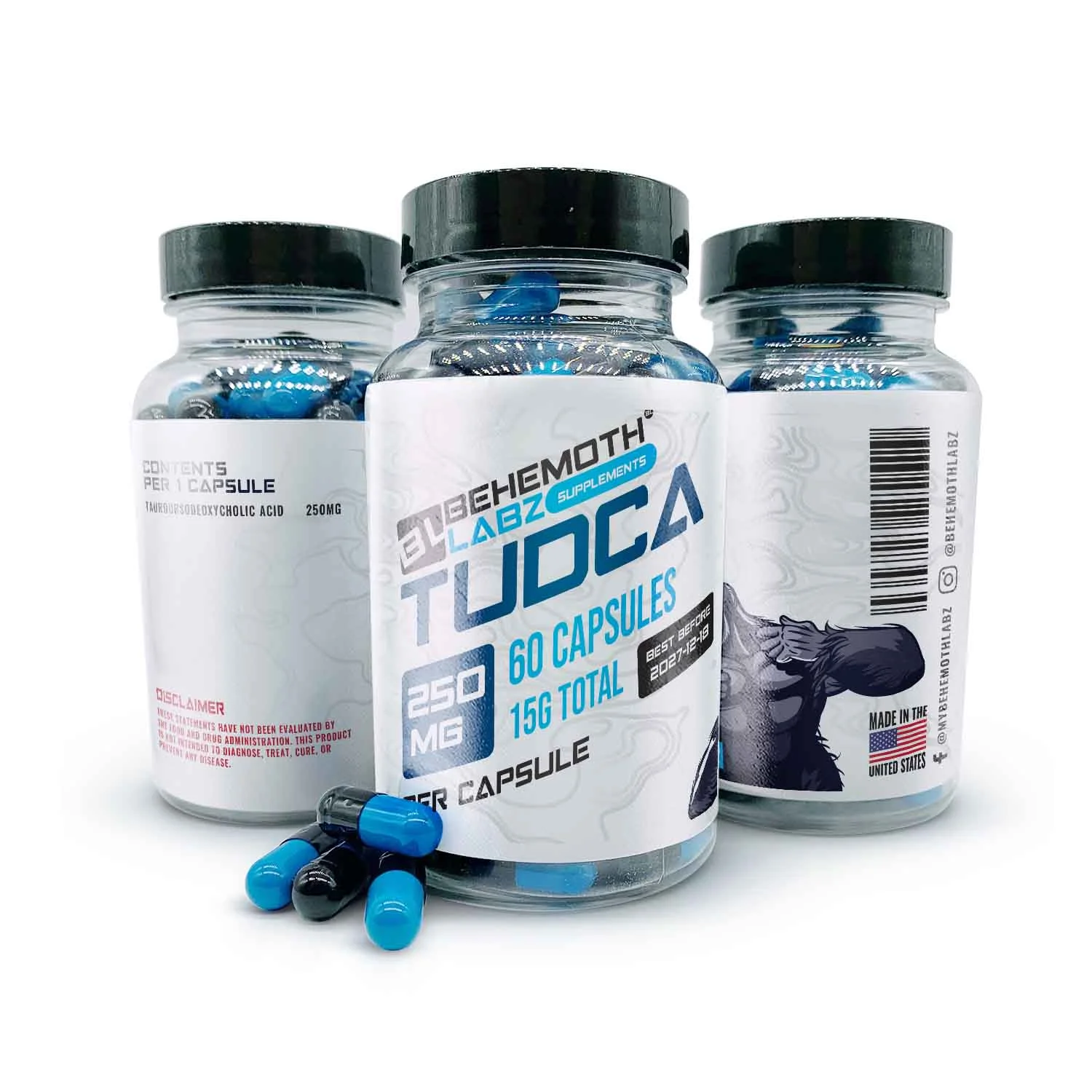
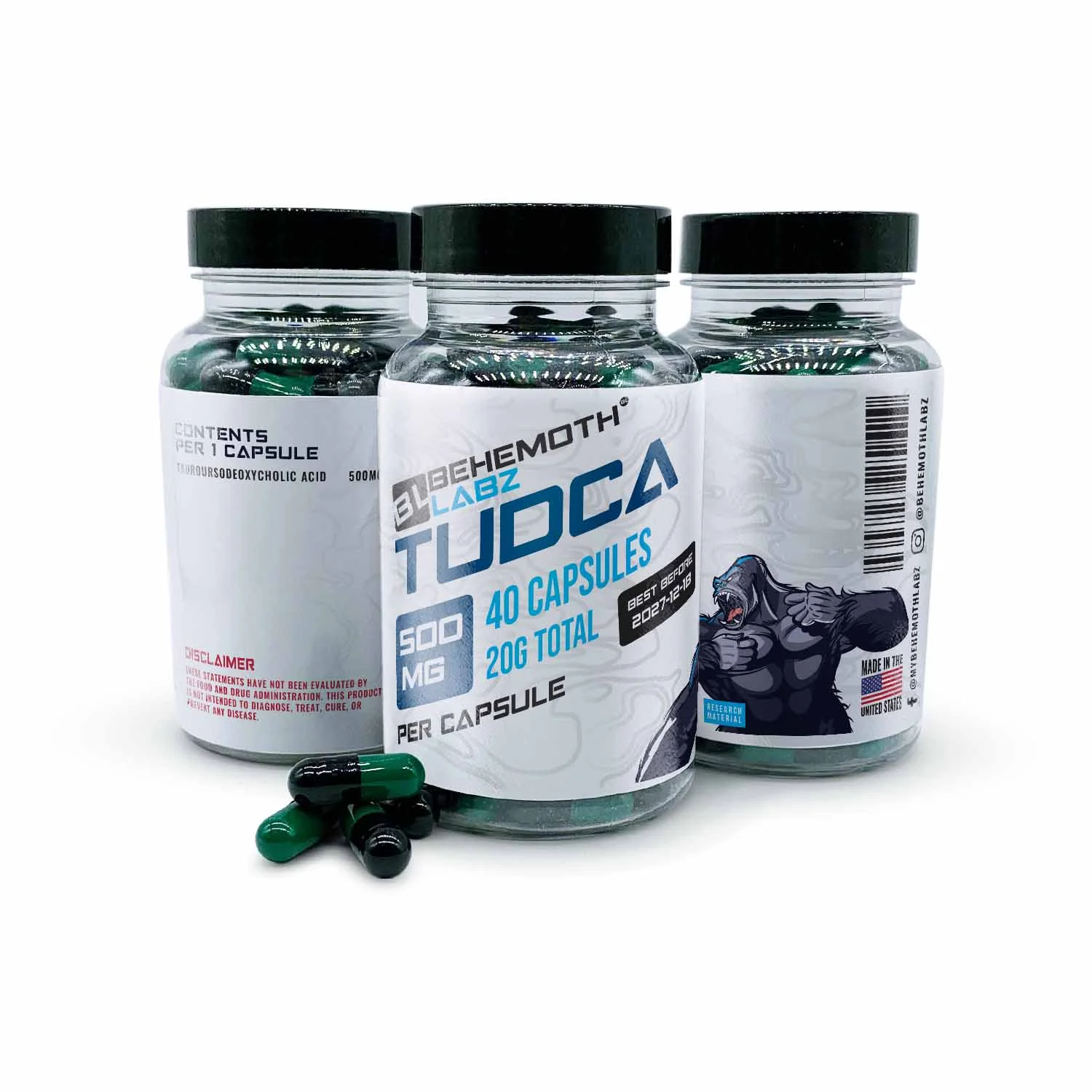
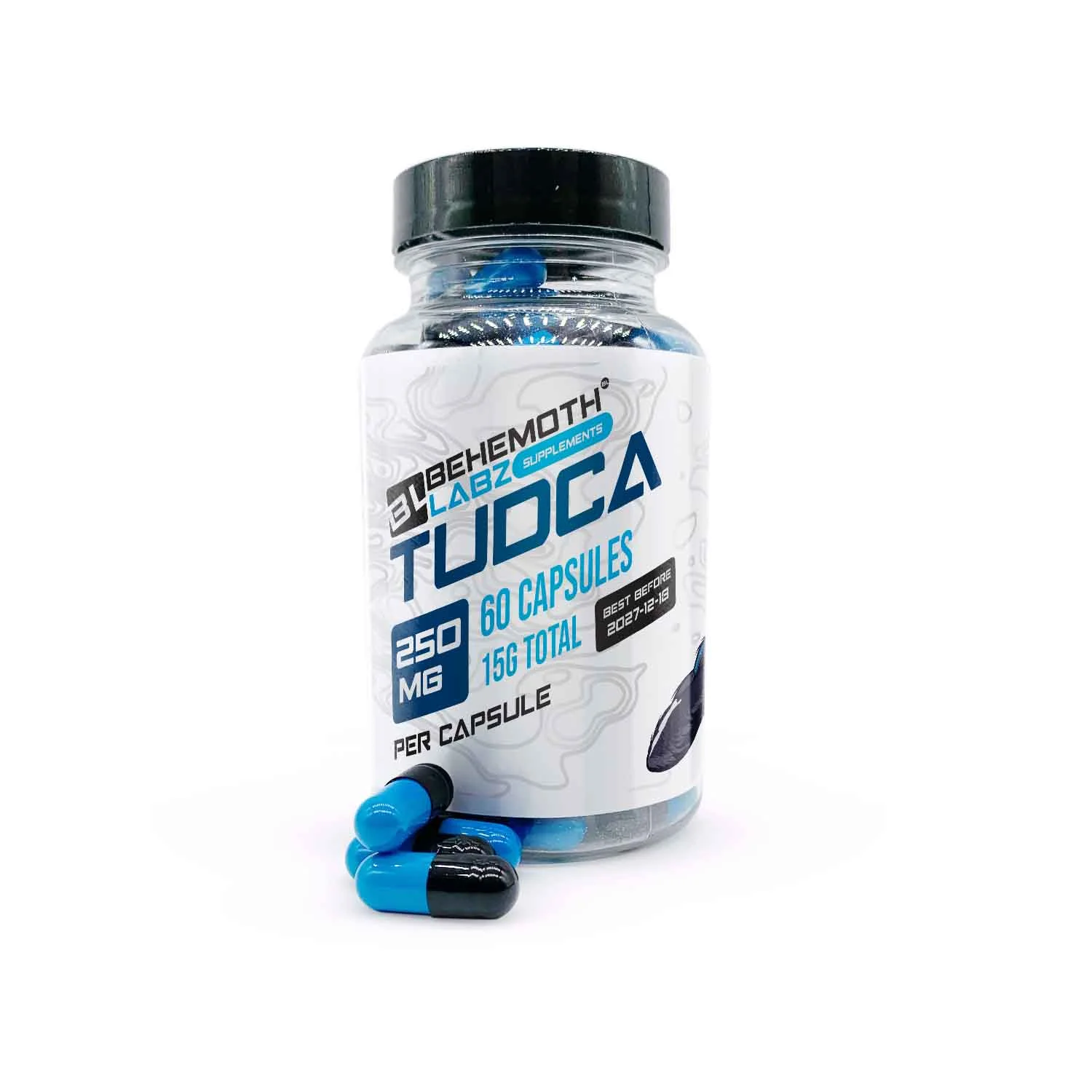
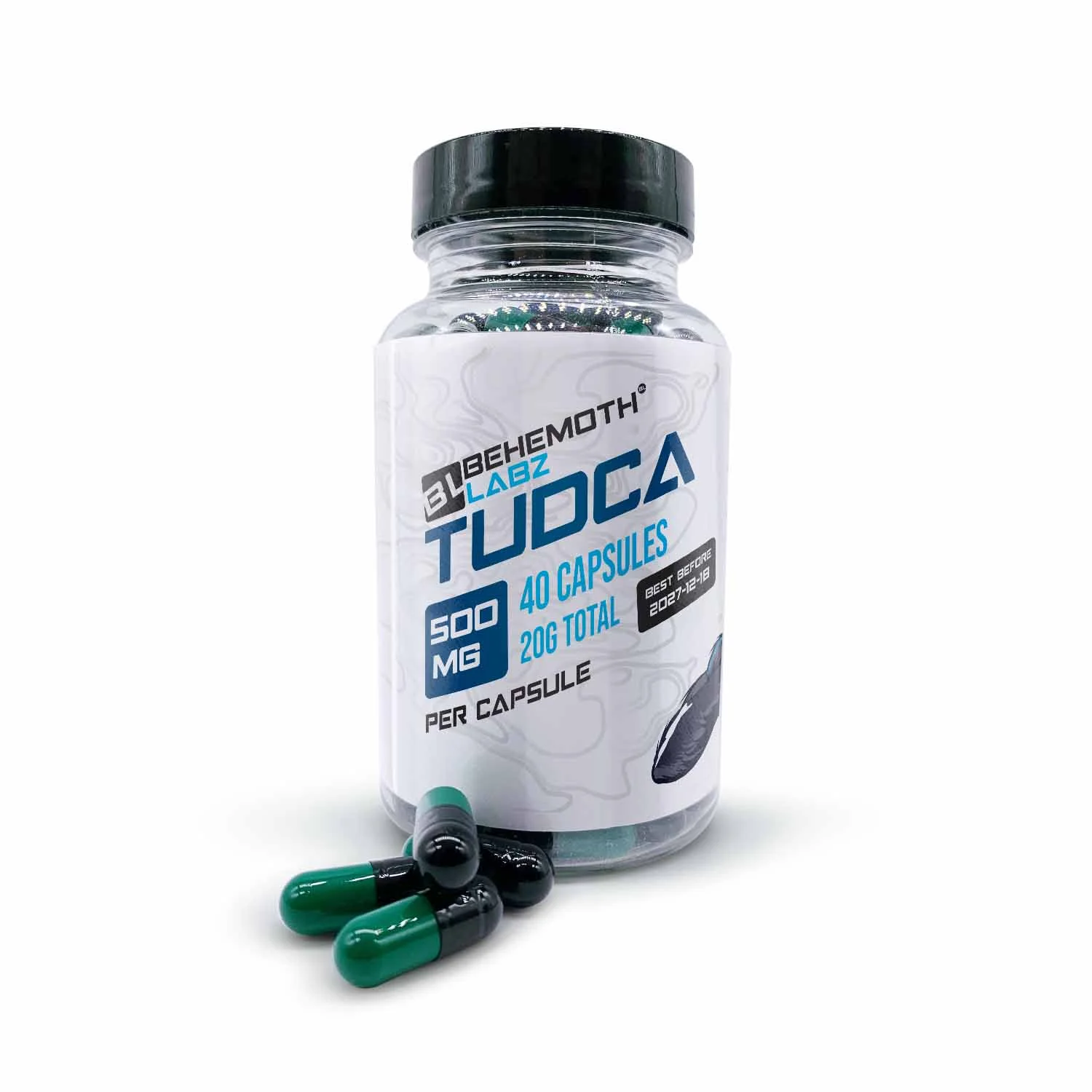
Product Details
Tauroursodeoxycholic acid (TUDCA) is a bile acid conjugate formed through the linkage of taurine to ursodeoxycholic acid (UDCA). Within research settings, it is categorized as a hydrophilic bile acid derivative frequently examined for its involvement in bile acid-associated biochemical pathways.
This compound is primarily utilized in laboratory investigations exploring intracellular signaling dynamics, protein-folding environments, and bile acid transport mechanisms. Its physicochemical profile allows for interaction within systems associated with lipid-soluble and aqueous interfaces.
TUDCA is distributed strictly for laboratory-based research purposes and is not intended for use in living systems.
Mechanism of Action
TUDCA is characterized in biochemical research as a compound that interacts with bile acid-regulated signaling pathways and intracellular stress-response systems.
ER Stress→Protein Misfolding→Cellular Response Modulationtext{ER Stress} rightarrow text{Protein Misfolding} rightarrow text{Cellular Response Modulation}ER Stress→Protein Misfolding→Cellular Response Modulation
At the molecular level, TUDCA is described as functioning within endoplasmic reticulum-associated processes by influencing protein conformation environments. It is frequently classified as a chemical chaperone in experimental literature, where it participates in pathways associated with protein-folding equilibrium and misfolded protein handling.
Additionally, TUDCA is examined for its interaction with bile acid transport systems and receptor-mediated signaling cascades, including those involved in intracellular homeostasis regulation and lipid-associated signaling networks.
Chemical Properties of TUDCA
| Property | Value |
| Compound Name | Tauroursodeoxycholic Acid (TUDCA) |
| CAS Number | 14605-22-2 |
| Molecular Formula | C26H45NO6S |
| Molecular Weight | 499.7 g/mol |
| Classification | Bile Acid Conjugate |
Research Applications
Bile Acid Transport and Signaling Pathways
TUDCA is utilized in experimental models investigating bile acid transport systems and receptor-mediated signaling. It is examined for its interaction with pathways that regulate bile acid composition, transport proteins, and intracellular signaling cascades.
Endoplasmic Reticulum-Associated Processes
This compound is frequently studied in relation to endoplasmic reticulum-associated mechanisms, particularly those involving protein-folding environments and intracellular stress-response signaling pathways.
Protein Conformation and Folding Dynamics
TUDCA is explored in biochemical studies focused on protein conformation stability, where it is categorized as a compound involved in modulating folding environments and protein-processing pathways at the molecular level.
Why Choose BehemothLabz to Buy TUDCA for Research
BehemothLabz provides research-grade TUDCA manufactured under controlled laboratory conditions with strict quality assurance protocols. Each batch undergoes analytical verification to ensure consistency in molecular composition and purity.
Comprehensive documentation, including laboratory testing reports and sourcing transparency, supports reproducibility in experimental settings. BehemothLabz maintains a compliance-focused approach, supplying compounds intended strictly for laboratory-based investigation and analytical research
Disclaimer
TUDCA is intended strictly for laboratory research and analytical purposes only. It is not intended for use in diagnostic procedures, therapeutic applications, or in vivo studies of any kind.
Any references to biochemical pathways, receptor interactions, or enzymatic processes are provided solely for informational and research-context purposes. This compound must be handled exclusively by qualified professionals in controlled laboratory environments in accordance with applicable regulations and safety guidelines.
Improper handling or use outside of controlled research settings is strictly prohibited.
References
- Li, J., Huang, Z., Jin, Y., Liang, L., Li, Y., Xu, K., Zhou, W., & Li, X. (2024). Neuroprotective Effect of Tauroursodeoxycholic Acid (TUDCA) on In Vitro and In Vivo Models of Retinal Disorders: A Systematic Review. Current neuropharmacology, 22(8), 1374–1390. https://doi.org/10.2174/1570159X21666230907152207
- Rosa, L. R. O., Vettorazzi, J. F., Zangerolamo, L., Carneiro, E. M., & Barbosa, H. C. L. (2021). TUDCA receptors and their role on pancreatic beta cells. Progress in biophysics and molecular biology, 167, 26–31. https://doi.org/10.1016/j.pbiomolbio.2021.09.003