Product Details
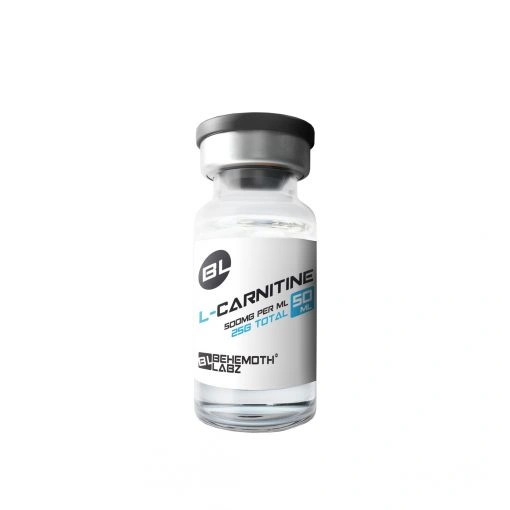
L-carnitine is a naturally occurring quaternary ammonium compound derived from the amino acids lysine and methionine. It is synthesized through enzymatic processes involving multiple steps within cellular systems, particularly in tissues responsible for metabolic regulation.
In controlled research environments, L-carnitine is examined for its role in biochemical pathways related to fatty acid transport and mitochondrial function. Its structure allows for consistent evaluation of substrate movement across intracellular compartments, particularly in studies involving energy metabolism at the cellular level.
This compound is supplied strictly for laboratory research purposes and is not intended for consumption, medical, or diagnostic use.
Mechanism of Action
At the molecular level, L-carnitine is involved in the transport of long-chain fatty acids across the mitochondrial membrane. This process occurs through the carnitine shuttle system, which includes key enzymes such as carnitine palmitoyltransferase I (CPT I) and carnitine palmitoyltransferase II (CPT II).
L-carnitine binds to fatty acyl-CoA molecules, forming acylcarnitine complexes that can traverse the mitochondrial membrane. Once inside, these complexes are converted back into fatty acyl-CoA, enabling their participation in β-oxidation pathways.
This transport mechanism is studied in vitro to analyze how fatty acid substrates are mobilized and processed within mitochondrial structures. Additionally, L-carnitine’s involvement in maintaining acyl-CoA to CoA balance is examined to better understand its role in cellular metabolic regulation and energy-related biochemical pathways.
Chemical Properties of L-carnitine
| Attribute | Details |
| Compound Name | L-Carnitine |
| Classification | Quaternary ammonium compound |
| Molecular Formula | C7H15NO3 |
| Molecular Weight | 161.199 g/mol |
| CAS Number | 406-76-8 |
| PubChem CID | 288 |
| IUPAC Name | 3-hydroxy-4-(trimethylazaniumyl)butanoate |
| Synonym | Levocarnitine |
| Primary Function | Fatty acid transport via carnitine shuttle system |
| Research Context | Mitochondrial transport and metabolic pathway analysis |
| Format | Research compound (non-consumable) |
| Stability | Stable under controlled laboratory storage conditions |
Research Applications
Fatty Acid Transport Studies
L-carnitine is widely used in experimental models to investigate the translocation of long-chain fatty acids into mitochondria. Researchers analyze how acyl group transfer and membrane transport mechanisms operate at the molecular level.
Mitochondrial Function Analysis
This compound is applied in studies focused on mitochondrial activity, particularly those examining β-oxidation processes and substrate utilization. Its role in intracellular transport systems allows for detailed observation of metabolic flux within mitochondria.
Metabolic Pathway Regulation Research
L-carnitine supports investigations into biochemical pathways that regulate acyl-CoA balance and coenzyme A availability. These studies contribute to a broader understanding of how cellular metabolism is coordinated under controlled experimental conditions.
Why Choose BehemothLabz to Buy L-carnitine for Research
BehemothLabz provides research-grade L-carnitine manufactured under controlled laboratory conditions with strict quality assurance protocols. Each batch undergoes analytical verification to ensure consistency in molecular composition and purity.
Comprehensive documentation, including laboratory testing reports and sourcing transparency, supports reproducibility in experimental settings. BehemothLabz maintains a compliance-focused approach, supplying compounds intended strictly for laboratory-based investigation and analytical research
Disclaimer
L-carnitine is intended strictly for laboratory research and analytical purposes only. It is not intended for use in diagnostic procedures, therapeutic applications, or in vivo studies of any kind.
Any references to biochemical pathways, receptor interactions, or enzymatic processes are provided solely for informational and research-context purposes. This compound must be handled exclusively by qualified professionals in controlled laboratory environments in accordance with applicable regulations and safety guidelines.
Improper handling or use outside of controlled research settings is strictly prohibited.
References
- Sahebnasagh, A., Avan, R., Monajati, M., Hashemi, J., Habtemariam, S., Negintaji, S., & Saghafi, F. (2022). L-carnitine: Searching for New Therapeutic Strategy for Sepsis Management. Current medicinal chemistry, 29(18), 3300–3323. https://doi.org/10.2174/0929867328666211117092345
- Askarpour, M., Hadi, A., Miraghajani, M., Symonds, M. E., Sheikhi, A., & Ghaedi, E. (2020). Beneficial effects of l-carnitine supplementation for weight management in overweight and obese adults: An updated systematic review and dose-response meta-analysis of randomized controlled trials. Pharmacological research, 151, 104554. https://doi.org/10.1016/j.phrs.2019.104554