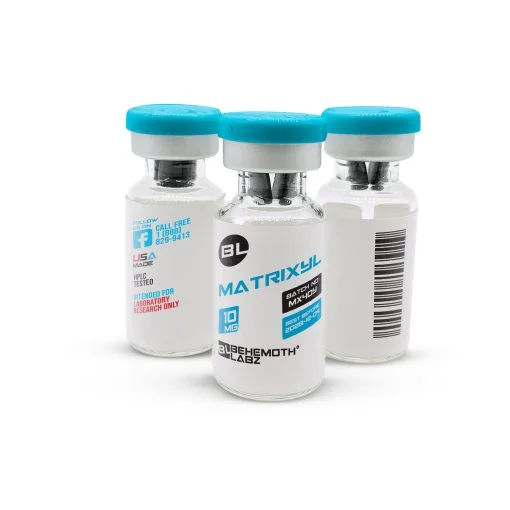
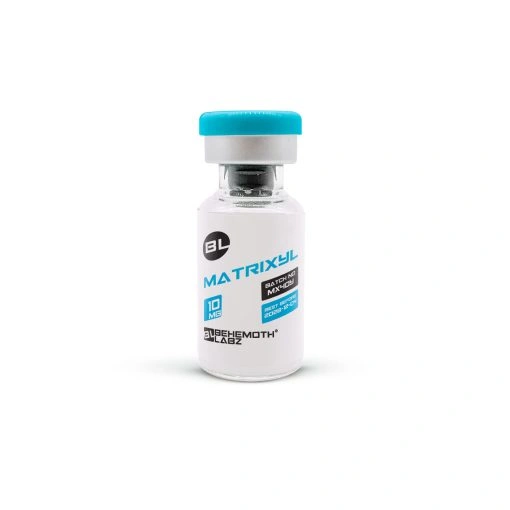
Product Details: Matrixyl (Peptide)
Matrixyl is also called palmitoyl pentapeptide-4. It is a synthetic peptide made up of five amino acids. All of them are linked to a palmitic acid chain. This structural modification boosts its stability and permeability in experimental models. This makes it very interesting in dermatological and biochemical research.
In laboratory settings, Matrixyl is under the radar for its role in dermal matrix signaling and protein synthesis pathways. Researchers study its interaction with cellular mechanisms. These are involved in extracellular matrix regulation, particularly those linked with structural proteins such as collagen and elastin.
This compound is strictly intended for laboratory and research use. It is not approved for diagnostic, therapeutic, or dietary applications.
Mechanism of Action
Matrixyl peptide is studied for its ability to copy signaling pathways. They are associated with extracellular matrix protein synthesis in experimental models. It is believed to interact with cellular receptors. These are the ones that regulate gene expression linked to structural protein production.
In preclinical investigations, Matrixyl is studied for its effects on fibroblast activity. This may add to the regulation of collagen and elastin synthesis pathways. These interactions are analyzed to understand their role in maintaining dermal structure and cellular communication in controlled laboratory environments.
Properties of Matrixyl Peptide:
- Molecular Formula: C39H75N7O10
- Molecular Weight: 802.1 g/mol
- CAS Number: 214047-00-4
- PubChem CID: 9897237
- Synonyms: Palmitoyl pentapeptide-4, Palmitoyl pentapeptide-3
- Shelf Life: 36 months
Research Applications/Benefits of Matrixyl Peptide
Extracellular Matrix Research:
Matrixyl is investigated in preclinical models for its role in regulating extracellular matrix components, particularly collagen-related pathways in laboratory settings.
Fibroblast Activity Studies:
Researchers study its interaction with fibroblast signaling to understand mechanisms involved in structural protein synthesis and dermal matrix regulation in experimental systems.
Collagen Synthesis Pathway Analysis:
This peptide is utilized in laboratory environments to explore pathways associated with collagen production and cellular regeneration processes.
Dermal Structure and Elasticity Research:
Matrixyl is examined for its influence on elastin-related pathways and structural integrity of dermal tissue models in controlled experimental conditions.
Why Choose BehemothLabz to Buy Matrixyl Peptide
BehemothLabz provides high-quality Matrixyl peptide designed specifically for laboratory research applications. Each batch is tested through third-party verification to ensure purity, identity, and consistency.
Our commitment to strict quality control, transparency, and reliable sourcing ensures that researchers receive dependable compounds for reproducible experimental outcomes.
Disclaimer: This information is for educational purposes. We do not allow the human consumption of our products. All our products are sold for laboratory and research experiments.
ATTENTION: All BehemothLabz products are strictly for LABORATORY AND RESEARCH PURPOSES ONLY. They are not to be used for any human or veterinary purposes.
References:
- Katayama, K., Armendariz-Borunda, J., Raghow, R., Kang, A. H., & Seyer, J. M. (1993). A pentapeptide from type I procollagen promotes extracellular matrix production. Journal of Biological Chemistry, 268(14), 9941–9944. https://pubmed.ncbi.nlm.nih.gov/8486648/
- Lintner, K., & Peschard, O. (2000). Biologically active peptides: from a laboratory bench curiosity to a functional skin care product. International Journal of Cosmetic Science, 22(3), 207–218. https://pubmed.ncbi.nlm.nih.gov/18498545/