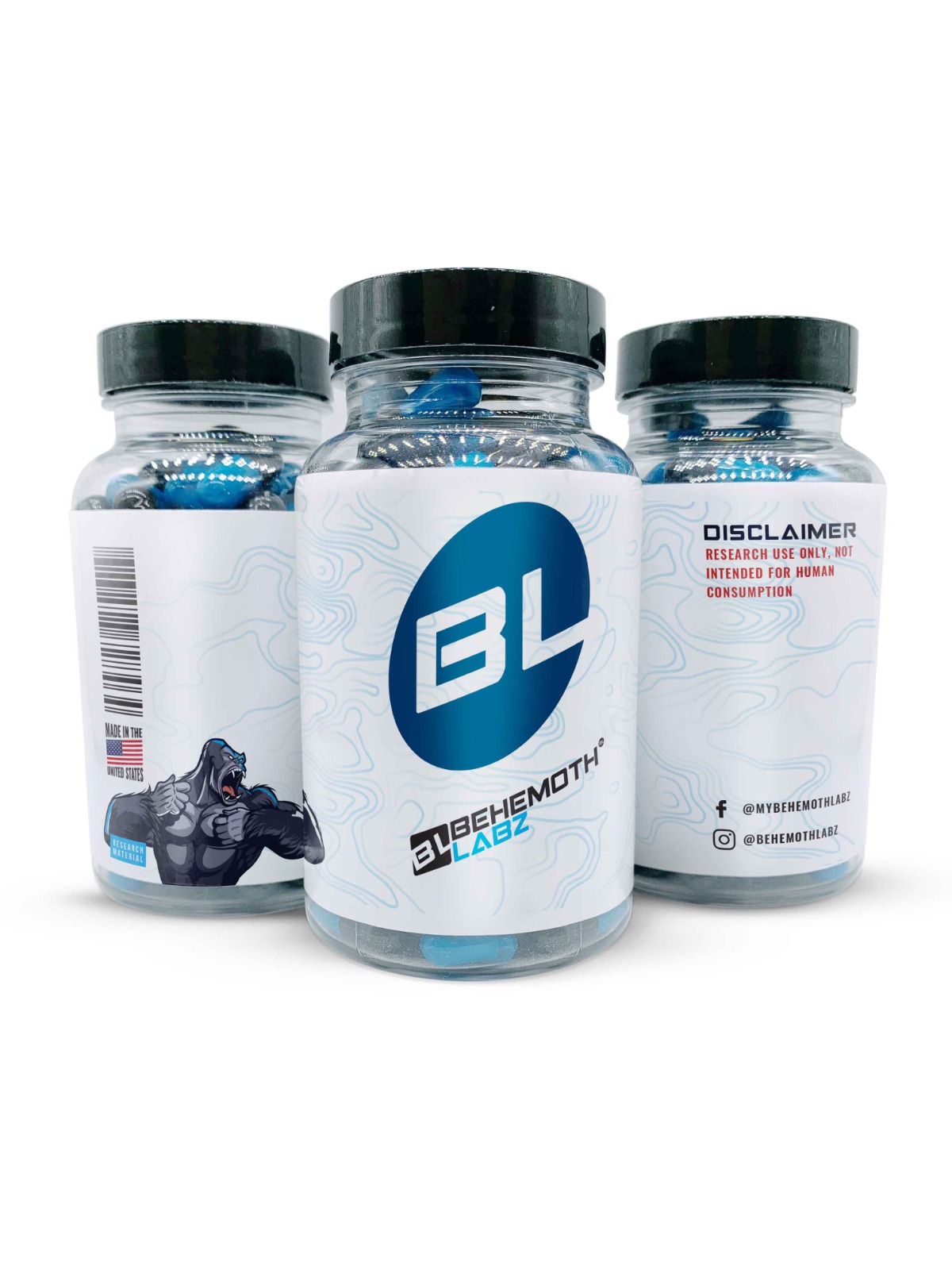

Product Details: Tretinoin
Tretinoin has been extensively studied in dermatological and biochemical research. Tretinoin may be found in various topical formulations explored in dermatological situations. It is classified as a retinoid because it is a chemical molecule generated from vitamin A. Tretinoin is made up of all-trans retinoic acid, an active form of vitamin A.
Mechanism of Action
In its active form, all-trans retinoic acid, it interacts with retinoic acid receptors found inside cells. This connection is associated with alterations in gene transcription and cellular signaling, which are well investigated in relation to cell turnover, growth regulation, and inflammatory pathways.
Chemical Properties of Tretinoin
- Molecular Formula: C₂₀H₂₈O₂
- Molecular Weight: 300.44 g/mol
- CAS Number: 302-79-4
- PubChem CID: 444795
- IUPAC Name: (2E,4E,6Z,8E)-3,7-dimethyl-9-(2,6,6-trimethylcyclohexen-1-yl)nona-2,4,6,8-tetraenoic acid
- Synonyms: All-trans retinoic acid
Research Applications of Tretinoin
-
Keratinization and Skin Cell Research
Tretinoin’s impact on keratinocyte activity and the general structure of the epidermis is frequently investigated in controlled laboratory conditions. The formation, proliferation, and structural organization of epidermal cells are often the subject of investigations. Experimental models can be used to evaluate changes in protein expression that take place during keratin synthesis and barrier development.
Additionally, studies examining alterations in stratification patterns and epidermal thickness include tretinoin. The way retinoid compounds interact with cellular processes associated with keratinization may be revealed by in vitro investigations. The model systems, concentrations used, and experimental design often have an impact on the findings of these studies.
Why Buy Tretinoin from BehemothLabz
BehemothLabz keeps things simple. The product comes with clear details and consistent quality, which is what most labs look for.
Orders are handled through a secure system, and shipping is available in many locations. If you are sourcing Ipamorelin for research, this is a straightforward place to get it without confusion.
For additional inquiries, contact: support@behemothLabz.com | (307) 429-0990
Disclaimer: This information is for educational purposes only. We do not allow the human consumption of our products. All products are sold strictly for laboratory and research experiments.
Please review the Terms and Conditions before purchasing. Please research the scientific uses of this product before making any purchases. Packaging and labeling may differ from what is shown on the website.
References
- Kang, S., et al. (2001). Tretinoin and the treatment of photodamaged skin. Archives of Dermatology, 137(4), 459–465.https://pubmed.ncbi.nlm.nih.gov/11296095/
- Fisher, G. J., et al. (1996). Mechanisms of photoaging and tretinoin effects. Journal of Investigative Dermatology, 106(6), 1321–1326.
https://pubmed.ncbi.nlm.nih.gov/8751981/ - Leyden, J. J. (2003). Therapy for acne vulgaris. New England Journal of Medicine, 336(16), 1156–1162.https://pubmed.ncbi.nlm.nih.gov/9099659/
- Mukherjee, S., et al. (2006). Retinoids in the treatment of skin aging. Clinical Interventions in Aging, 1(4), 327–348.https://pubmed.ncbi.nlm.nih.gov/18046911/
- PubChem. (n.d.). Tretinoin (CID: 444795). National Center for Biotechnology Information.https://pubchem.ncbi.nlm.nih.gov/compound/444795